
Blog
Introduction to PandaOintment

Timeless Herbal Wisdom, Modern Skin Wellness
A pure botanical treasure that blends ancient Japanese herbal knowledge with contemporary extraction artistry.
The Legacy of Panda Ointment
West of Tokyo, at the foot of serene Arashiyama in Kyoto, there lives a medical family that has passed down its knowledge for five generations—the Sugimoto family. In their ancestral home, a handwritten journal titled Records of Herbal Notes by the great-grandfather, Sugimoto Kōsai, written in the 23rd year of Meiji, is still preserved. On its yellowed pages, neat ink notes detail dozens of Kampo formulations, but one page, worn soft at the edges from frequent turning, bears only five characters: "The Essential Formula for Skin Healing."
This was the earliest origin of Panda Ointment.
A Century-Old Promise at the Foot of Arashiyama
For generations, the Sugimoto family has lived by the teaching: "Every grass, every tree, carries profound care." During the early Shōwa period, the third-generation healer Sugimoto Kazurō noticed that many people were suffering from stubborn skin problems—eczema, dermatitis, unexplained redness, and swelling spread among the population in the postwar era of scarcity and poor sanitation. He revisited the family's herbal notes, refined the "Essential Formula for Skin Healing," and traveled across the mountains of Yamato to gather local herbs such as rehmannia, forsythia, and licorice. Through repeated adjustments and grinding, he created the first generation of "Sugimoto Skin Balm."
There were no advertisements, no fancy packaging. Mothers from miles around would bring their children with red, irritated hands to the Sugimoto home; craftsmen with burned and ulcerated fingers could return to their planes and saws after applying the balm. Kazurō often said, "Medicine does not exist just to cure illness—it exists to help people touch life again."
From a Wooden Table to an Ocean of Echoes
As time passed, the little glass jars of balm traveled slowly from the foot of Arashiyama to Tokyo and Osaka, then further afield in travelers' bags.
The fourth-generation healer, Sugimoto Mari, remembers the spring of Heisei 10, when a Canadian photographer came to Kyoto to capture the cherry blossoms but was nearly unable to work due to a severe skin allergy. After being given the balm, the redness and swelling visibly subsided overnight. Before leaving, he bowed deeply and said, "My skin has never been so relieved." That same autumn, a young mother from Northern Europe sent a letter through a friend, enclosing a photo of her daughter who suffered from atopic dermatitis—after six months of using the balm, the child had finally slept peacefully through the night for the first time.
Stories like these fill thick, hand-written treatment records in the Sugimoto home. From mothers in Japan to artisans in Italy, from chefs in Singapore to surfers in California... behind every jar lies a story of skin finding peace again. People began to call it "Panda Ointment"—named after the family crest on the jar, which resembles a panda embracing, symbolizing "gently holding every inch of skin in care."
Why We Have Now Decided to Reach the World
For a century, the Sugimoto family has adhered to the traditional methods: hand-selecting herbs, slow-simmering in small pots, and allowing the ointment to set in stillness. Every batch is still sealed personally by the fifth-generation heir, Sugimoto Ken. Yet letters and pleas from overseas continued to grow:
"I live in Brazil—is it possible to purchase?"
"A doctor in Germany recommended I look for you..."
The family realized: skin knows no borders, and the warmth of healing should not be held back by mountains or seas.
Thus, in the Reiwa era, we have made an important decision: to launch the Panda Ointment Online Store.
This is not for expansion, but for response—to answer the trust placed in us by those we have never seen, and to honor the quiet recognition passed down over a century. We still follow the same ancient formula, the same methods of preparation. Only now, we wish to deliver it more reliably and swiftly to those in need, even on the other side of the world.
Skin from Around the World Returns to the Embrace of the World
From a small consultation room in Arashiyama to an online store that crosses oceans—what has changed is only the way it reaches you. What remains unchanged is the same heart that believes: "With the heart of herbs, we heal the pain of the skin."
The skin is the first boundary through which we meet the world. Its discomfort can trap a person's confidence, peace, and courage to live. Over a century, Panda Ointment has never merely healed skin—it has allowed a mother to hold her child with ease, a craftsman to continue touching his materials, a traveler to feel the wind and sun without fear.
Today, we gently offer this jar of gentle strength, born from a century-old Japanese herbal family, to the wider world through a humble screen.
Key Herbal Ingredients
1. Viola philippica: The "Natural Guardian" for Potent Anti-Inflammation
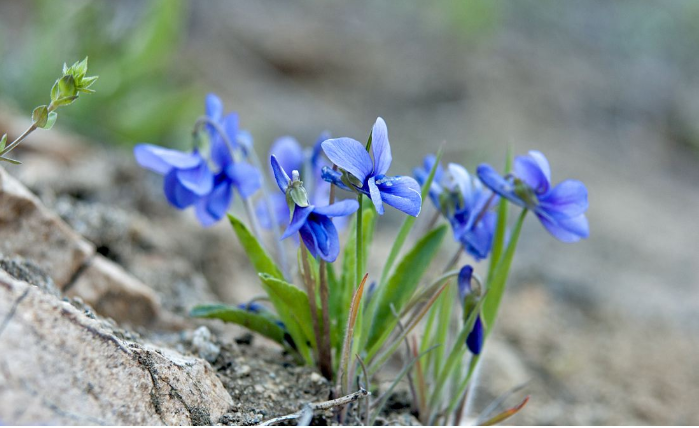
Compendium of Materia Medica records that Viola philippica "treats all types of carbuncles, boils, scrofula, unknown swollen toxins, and malignant sores." It is cold in nature, bitter and pungent in taste, and excels at clearing heat, detoxifying, cooling blood, and reducing swelling.
In modern skin care, it acts like a powerful natural anti-inflammatory agent, effectively inhibiting harmful bacteria on the skin surface (such as Staphylococcus aureus). It has a significant relieving effect on redness, heat, pain, and even purulent infections caused by conditions like eczema and dermatitis.
2. Phellodendron chinense Bark: The "Cleaner" for Drying Dampness and Astringing
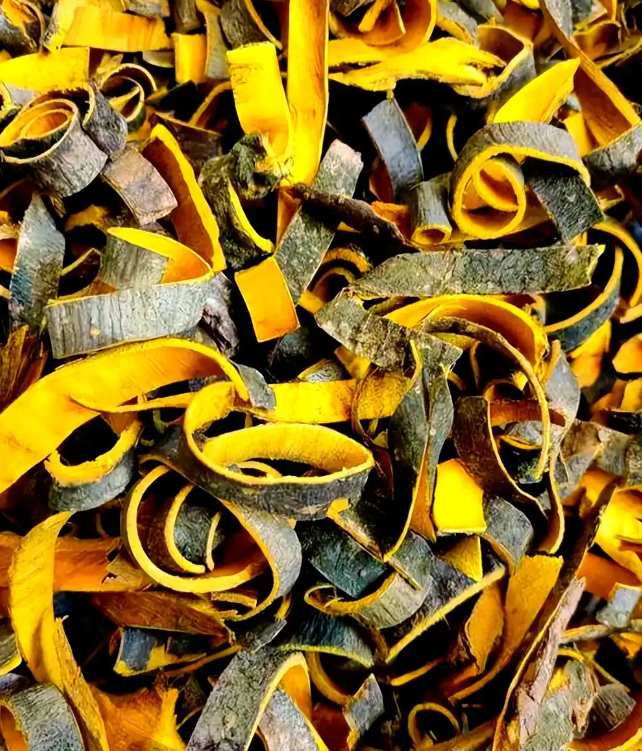
Compendium of Materia Medica notes that Phellodendron chinense Bark "can be applied to treat children's scalp sores," "cure nasal gan (a TCM condition with insect infestation symptoms)," and alleviate "hot and red skin." It is cold in nature and bitter in taste, with core effects of clearing heat, drying dampness, purging fire, and detoxifying.
It is particularly adept at eliminating dampness-heat in the lower energizer (a TCM concept referring to the lower abdomen area). It delivers excellent results for eczema and itching (diagnosed in TCM as "dampness-heat descending type") occurring in areas such as the thighs, buttocks, and perineum. Phellodendron chinense Bark can effectively astringe tissue exudate, significantly reducing symptoms of skin moisture, erosion, and exudation.
3. Sophora flavescens Root: The "Vanguard" for Dispelling Wind and Relieving Itching
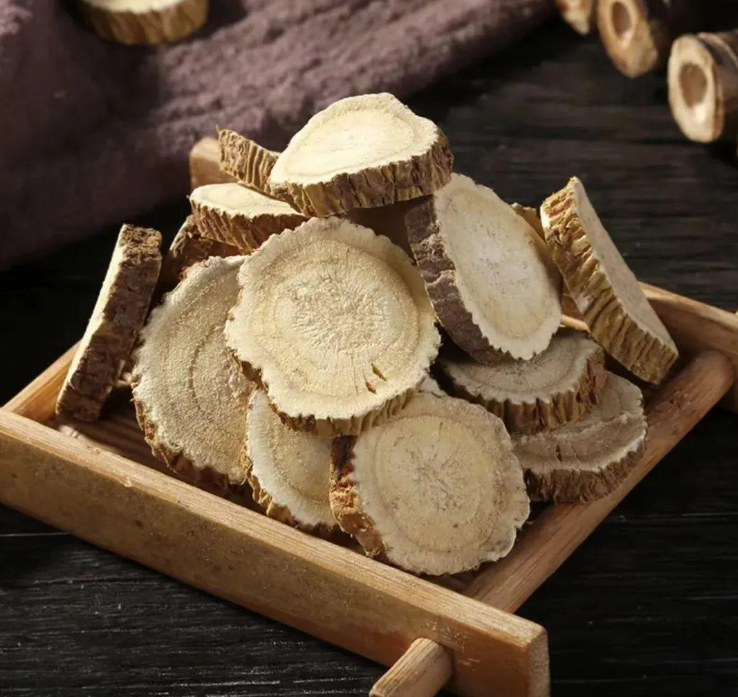
Compendium of Materia Medica clearly states that Sophora flavescens Root "treats wind-heat eczema, itchy and painful sores" and "kills skin parasites." It is extremely bitter and cold in nature, with particularly prominent effects of clearing heat, drying dampness, killing parasites, and relieving itching.
It is a key TCM herb for treating severe pruritic skin diseases. It can quickly relieve stubborn itching caused by dampness-heat, parasitic pathogens (such as scabies mites), or fungi. Meanwhile, through its strong antibacterial and anti-inflammatory effects, it promotes the repair of damaged skin.
4. Mentha haplocalyx (Peppermint): The "Soothing Master" for Instant Coolness
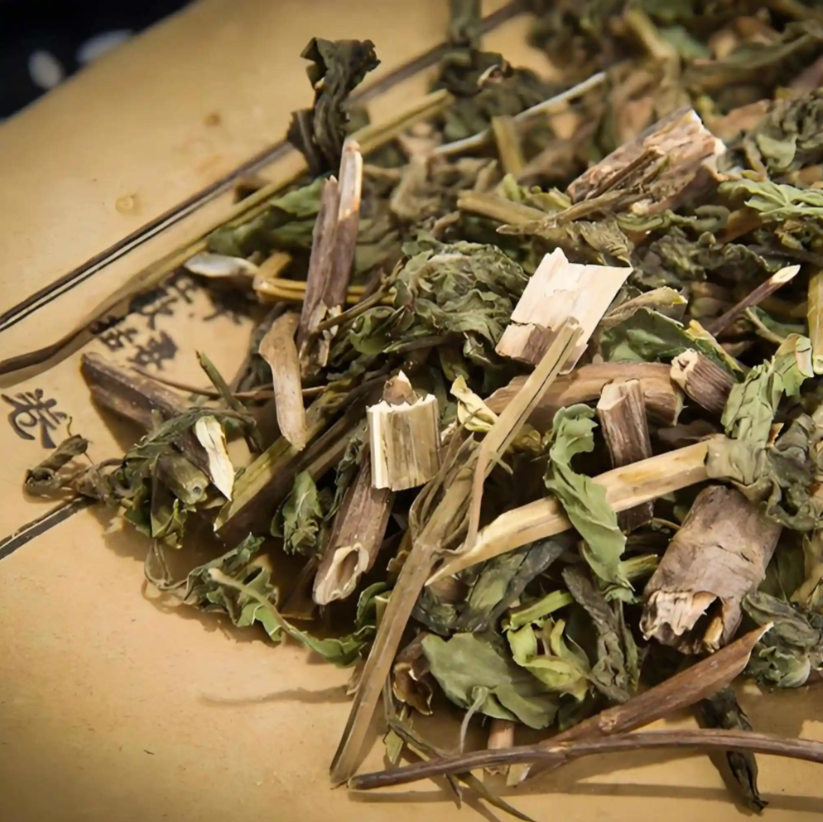
Compendium of Materia Medica describes Mentha haplocalyx as "beneficial for treating diseases of the throat, mouth, and teeth, curing scrofula, sores, and scabies, as well as wind itching and urticaria." It is pungent in taste and cool in nature, with effects of dispelling wind, relieving heat, cooling and relieving itching, and promoting eruption (a TCM term for reducing skin rashes).
The menthol it contains can instantly activate the cold receptors of the skin, bringing an immediate cool sensation. It quickly calms and relieves itching, effectively alleviating skin burning discomfort, and provides instant relief for discomfort caused by wind-heat type urticaria.
5. Borneol: The "Penetration Engine" for Guiding Herbs to Target Areas
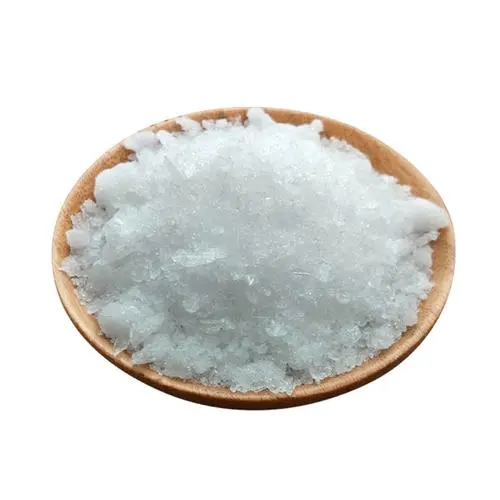
Compendium of Materia Medica records that borneol "unblocks all orifices, dissipates stagnant fire" and is used for "pox toxins and boils." It is bitter, pungent, and slightly cold in nature, with a fragrant and penetrating aroma. It has effects of clearing heat, detoxifying, reducing swelling, relieving pain, preserving against decay, and promoting tissue regeneration.
Its most unique value lies in its strong penetrating power. As a "meridian-guiding herb" (a TCM concept), it can direct other medicinal ingredients to reach the deep layers of the lesion (known as "guiding herbs to their corresponding meridians" in TCM), greatly improving the absorption rate and efficacy of the overall formula. At the same time, it itself can relieve pain, inhibit inflammation, and promote wound healing and skin repair.
The Harmony of Traditional Formulation
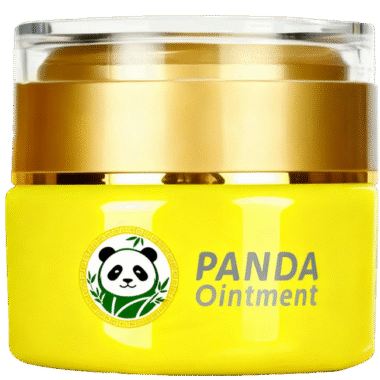
Panda Ointment is not merely a blend of ingredients, but a harmonized system guided by the traditional Kampo principle of "sovereign, minister, assistant, and envoy"—a holistic formulation philosophy that addresses both symptoms and root causes. Each of the five core herbs contributes its unique properties, working synergistically to deliver comprehensive benefits: clearing heat, detoxifying, reducing swelling, soothing irritation, and supporting skin tissue repair. Together, they provide natural, trustworthy, and highly effective care for skin in need of comfort and restoration.